A Systemic Approach to Reducing Stubble Burning

Project Parali tackles stubble burning by offering scalable, farmer-first, and sustainable solutions rooted in community change.

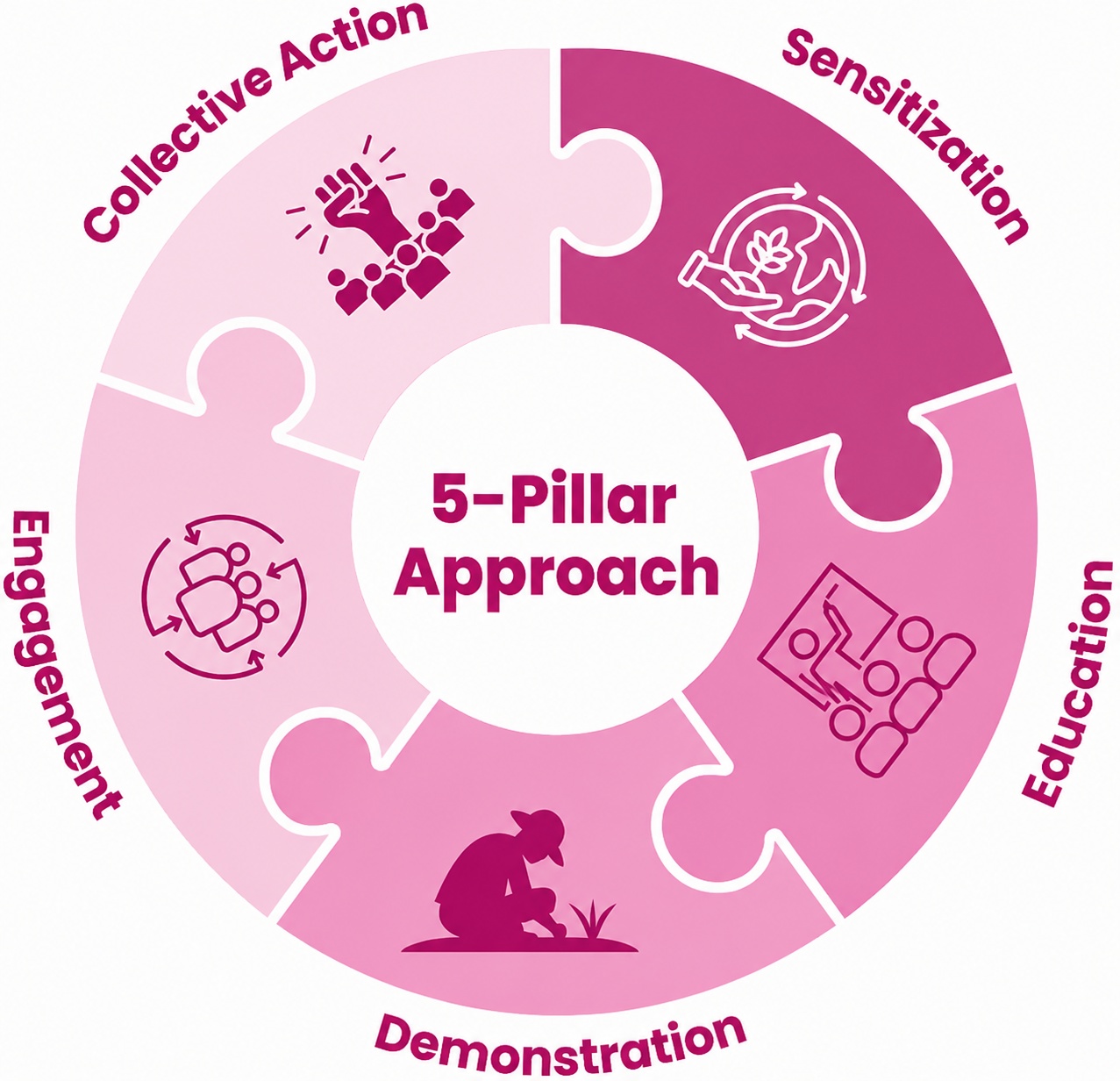
5 Pillar Approach

From problem to possibility — one field, one village at a time!

Our 5-pillar strategy moves beyond awareness to long-term behavioural and systemic transformation.

Pillar I - Sensitization: “Rethinking the Conversation”

Creating Awareness

Use of regional and community-level tools: campaigns, interpersonal dialogues, and informal networks

Promoting Behavioural Change

Encourage a mindset shift: from short-term convenience to long-term agronomic and financial gains

Driving Local Advocacy

Engage farmer groups, gram sabha representatives, and agri influencers
Pillar II - Education: “Making Knowledge Practical”

Learn

Apply

Sustain

Pillar III – Demonstration: "Building familiarity with trust"

On Ground Demonstrations
On-Ground Demonstrations
Establishing Model Farms
Sharing Farmer Success Stories

Pillar IV - Stakeholder Engagement: “Aligning the Ecosystem”


Promoting Sustainable Farming & Circular Economies

  • Identify downstream uses of parali: fodder, compost, pellets, packaging
  • Align with industry demand to explore viable offtake models
        

Ensuring Timely Equipment Access

  • Map equipment availability at village and block levels
  • Coordinate timely deployment to match narrow harvest-to-sowing windows
       

Connecting Farmers to Industry Networks

  • Facilitate links with biomass aggregators and circular economy players
  • Support price discovery and structured market access


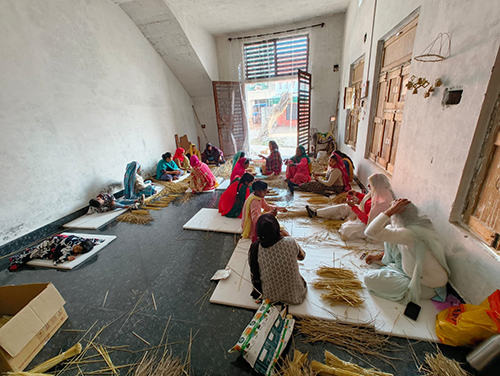
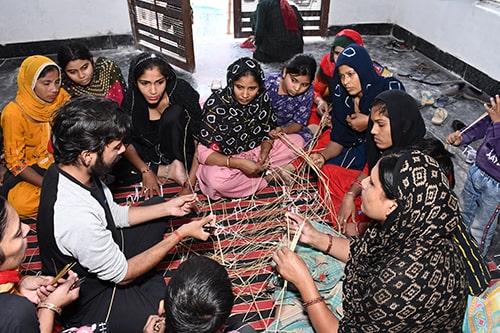
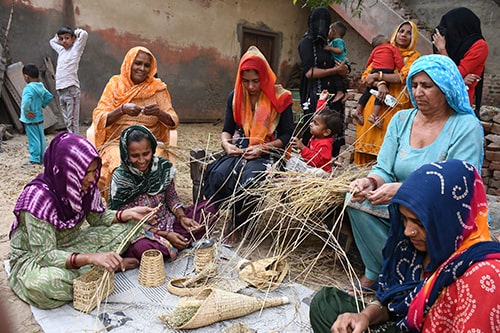
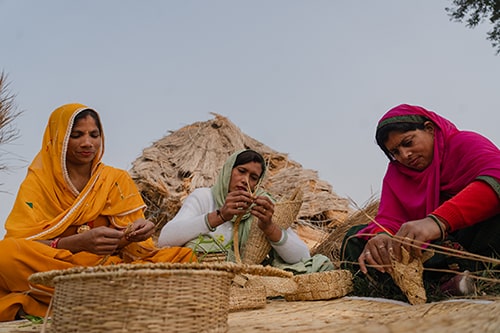
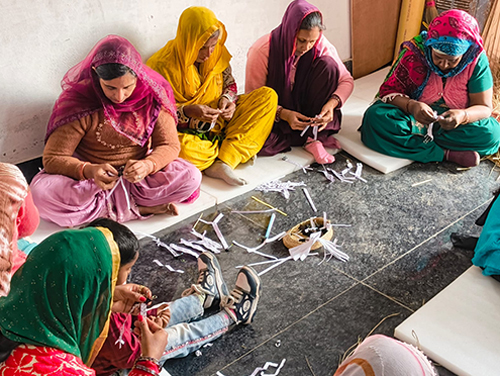
Empowering Agri-preneurs & Women Entrepreneurs

  • Build capacity for rural businesses around baling, logistics & processing
  • Promote parali-based product innovation (craft, packaging, etc.)
Stubble burning continues to impact India at a massive scale. Once concentrated in the northwest, the problem is now expanding to new states with rising numbers and shifting patterns.

Pillar V – Collective Action: "Scaling Local to Regional Change"

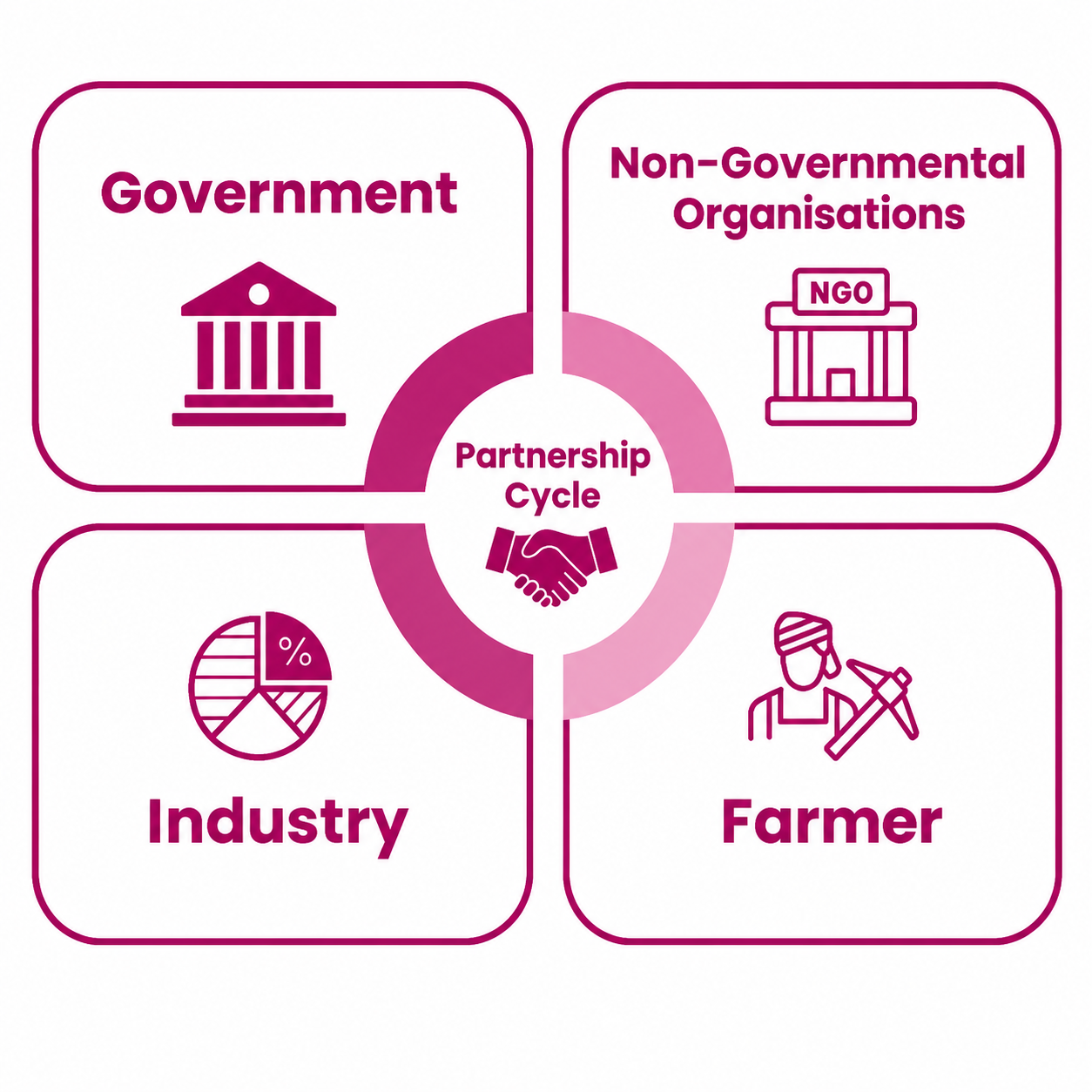
Collaborative Platforms
  • Convene farmer groups, researchers, technology innovators and local governments.
Public–Private Partnerships
  • Leverage public schemes together with private-sector innovation.
Community-led Solutions
  • Support formation of village-level committees for stubble management and oversight.
Partnership Cycle

Productization of Parali: "From Waste to Wealth"

R&D and Innovation Enablement

  • Facilitate applied research on viable parali-based products.
  • Focus areas: fibreboard, packaging material, biofuels and compost additives.
  • Align R&D with agronomic feasibility and farmer realities.

Business Design & Enterprise Support

  • Support early-stage entrepreneurs.
  • Build inclusive and locally rooted value chains.
  • Emphasize cost efficiency and scalability.

Market Alignment & Viability

  • Ensure innovations meet actual industry demand.
  • Promote market linkages and offtake partnerships.
  • Integrate procurement and policy ecosystems.

Turning Parali into Products